Resistente all'usura Valvola a farfalla con sede pneumatica gonfiabile
- Descrizione
- Inchiesta
Resistente all'usura Valvola a farfalla con sede pneumatica gonfiabile
Applicato alla polpa, polveri sfuse, particelle, solidi irregolari, polveri adesive, gas e polveri di gas, la valvola a farfalla di espansione garantisce l'affidabilità del funzionamento del sistema, prolunga la durata della valvola e riduce l'impatto dell'arresto o della sostituzione della valvola sulla produzione del materiale.
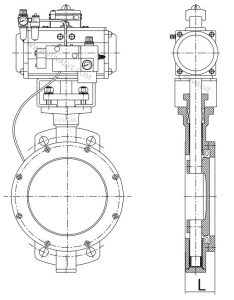
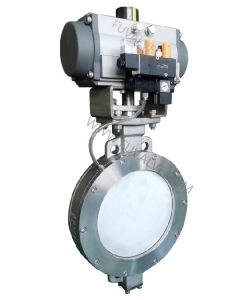
Valvola a farfalla pneumatica con sede gonfiabile
panoramica del prodotto
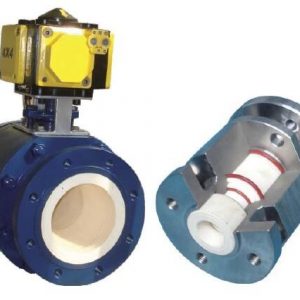
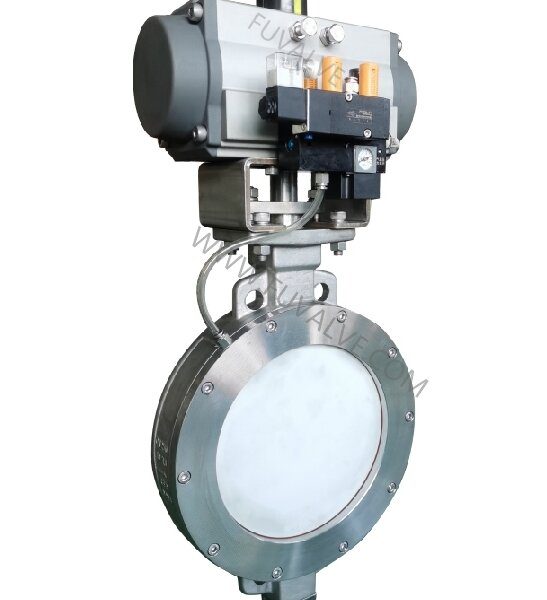
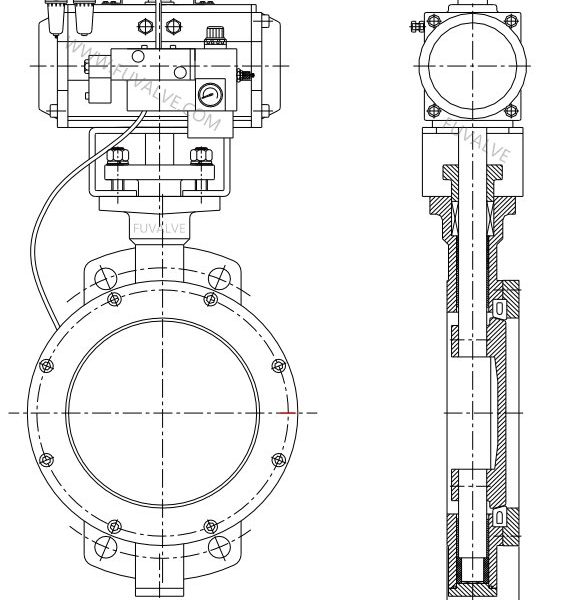
Valvola a farfalla pneumatica con sede gonfiabile (seconda generazione) è una versione migliorata di un nuovo tipo di valvola a farfalla con sede gonfiabile con sede della valvola espandibile e retrattile. Quando la piastra a farfalla è chiusa in posizione, la sede della valvola sigillata in gomma viene gonfiata ed espansa sotto la pressione della fonte d'aria esterna, aderendo saldamente alla superficie sferica della circonferenza della piastra a farfalla, formando così un anello di tenuta affidabile e impedendo il flusso di materiali nella tubazione. Quando è necessario aprire la valvola a farfalla, la sede della valvola sigillata in gomma rilascia prima rapidamente la pressione, contratti, e la piastra a farfalla viene rilasciata prima di iniziare a ruotare, e la valvola può essere aperta rapidamente in posizione. Struttura di tenuta eccentrica, la sede di tenuta in gomma della valvola a farfalla non sfrega contro la piastra a farfalla, e l'usura reciproca tra i due è quasi pari a zero. L'intera superficie della piastra a farfalla viene spruzzata con carburo di tungsteno o rivestimento ceramico resistente all'usura, fornendo maggiore stabilità e durata.
Adatto per la movimentazione di fluidi altamente abrasivi, è una valvola ideale per sistemi di trasporto di materiale sfuso in polvere secca.

Adatto: Resistente all'usura, resistente all'erosione, guarnizione sostituibile, resistenza massima alla temperatura di 250 ℃
Principio di funzionamento
The pneumatic inflatable expansion seat butterfly valve (seconda generazione) il piatto a farfalla è un piatto circolare eccentrico. Durante il processo di apertura e chiusura della valvola, c'è uno spazio di circa 0,5 mm tra la piastra della farfalla e l'anello di tenuta in gomma, che consente alla piastra a farfalla e all'anello di tenuta in gomma di muoversi senza contatto, riducendo così l'attrito e l'usura tra la piastra della farfalla e l'anello di tenuta in gomma.
Quando la valvola a farfalla con sede gonfiabile è nello stato chiuso, l'anello di tenuta in gomma si gonfia e si espande, premendo saldamente contro la superficie sferica della piastra a farfalla, formando un anello di tenuta affidabile che impedisce il flusso di materiali nella tubazione. Quando la valvola a farfalla con sede gonfiabile è pronta per l'apertura, l'anello di tenuta rilascia prima la pressione e si contrae. Dopo che la piastra della farfalla e l'anello di tenuta si separano, la piastra a farfalla inizia a ruotare, e la valvola può aprirsi rapidamente in posizione.

Valvola a farfalla pneumatica con sede gonfiabile
Caratteristiche strutturali
1. Viene utilizzata una gomma speciale, che è resistente all'usura e può resistere a temperature elevate fino a 250 ℃, ampliando l’intervallo di temperature di utilizzo e rendendolo più ampiamente applicabile.
2. Il prodotto di seconda generazione presenta un tipo con sedile gonfiabile e una struttura di tenuta eccentrica, che evita la compressione reciproca e l'attrito tra la sede della valvola, piatto a farfalla, e materiale, riducendo gli inconvenienti legati allo schiacciamento del materiale e all'usura delle valvole.
La struttura della valvola a farfalla determina ciò che avviene dopo l'apertura della valvola, la piastra a farfalla è sempre al centro della tubazione e viene dilavata dal fluido. Spruzzare un rivestimento resistente all'usura in ceramica o carburo di tungsteno sull'intera superficie della piastra a farfalla può migliorarne la resistenza all'erosione.
4. La valvola a farfalla si apre e si chiude in condizioni di basso attrito, riducendo significativamente la coppia di apertura e chiusura della valvola. La coppia operativa viene ridotta di ca 40% rispetto alle tradizionali valvole a farfalla, e attuatori più piccoli possono essere configurati per ridurre il consumo d'aria.
5 i blocchi valvola pneumatici integrati garantiscono la stabilità e la precisione dell'apertura e della chiusura della valvola in condizioni operative ad alta frequenza, riducendo al contempo le dimensioni complessive della valvola e semplificando l'installazione e la manutenzione in loco.
6. Il metodo di connessione a morsetto è conforme a GB/T9113, JB/T82.1, Standard HG/T20592ASME/ANSIB16.5a. La valvola è leggera e facile da installare e manutenere.
prodotti correlati
3 1 valvola a sfera in ceramica con attacco filettato
Soluzioni Ceramic Flow System
Valvole a globo in ceramica modello Y.
Valvola a sfera in ceramica con estremità filettata
Valvola a sfera ceramica per desolforazione dei fumi
Valvole a farfalla in ceramica tipo wafer
Valvola a disco scorrevole in ceramica
Valvola a sfera in ceramica resistente all'abrasione per il trasporto pneumatico di polveri
Tubi rivestiti in ceramica per applicazioni abrasive
Valvole a globo in ceramica con cappello a tenuta di pressione