يمكن لصناعة الصلب أيضًا استخدام الصمامات الخزفية
مؤلف—مهندس فوفالف
إزالة الغبار لصناعة الصلب
في الوقت الحاضر هناك أنواع كثيرة من عملية إزالة الغبار, شكل نظام إزالة الغبار الصلب متنوع أيضًا, بسبب شكل مختلف, مرافق نظام إزالة الغبار والتكوين ليست هي نفسها, لكن تدفق العملية الأساسية لم يتغير, بما في ذلك جزء جمع غاز المداخن, جزء تبريد غاز المداخن, جزء استعادة الحرارة المفقودة, جزء تنقية غاز المداخن, إعادة تدوير الغاز وجزء تفريغ الغاز, جزء معالجة مياه الصرف الصحي, وجزء استعادة الغبار.
عملية إزالة الغبار
هناك ثلاث طرق لفصل الغاز عن الغبار الموجود في غاز المداخن, وهي رطبة, جافة وشبه جافة.
قانون إزالة الغبار
يتم استخدام الماء أو بخار الماء لامتصاص الغبار الموجود في غاز المداخن في الماء أولاً, بحيث يتم فصل الغبار والغاز, وبعد ذلك سيتم فصله عن الغبار والماء بطرق مختلفة لنزح المياه, يمكن إعادة تدوير المياه, ويمكن أيضًا إعادة تدوير الغبار. تشمل معدات العمليات شائعة الاستخدام جهاز التنفس الصناعي, برج الرش, برج الغسيل, نزح المياه, مزيل ضباب الشاشة وما إلى ذلك.
إزالة الغبار الجاف
إزالة الغبار الخشن هي استخدام بخار الماء لإزالة الغبار, ولكن بعد إزالة الغبار يتبخر كل بخار الماء, أو استخدام الجاذبية, إزالة الغبار بالقصور الذاتي, الغبار المنفصل هو حالة جافة; وإزالة الغبار الناعم هي استخدام ترشيح الأكياس, الكهرباء الساكنة وغيرها من الطرق لفصل الغبار الموجود في غاز المداخن عن الغاز, النظام بأكمله يفصل الغبار الجاف.
إزالة الغبار شبه الجاف
إنه نوع خاص من معدات إزالة الغبار, إزالة الغبار الخشن بالطريقة الجافة, إزالة الغبار الناعم بالطريقة الرطبة, يحتوي الغبار المنفصل على غبار جاف وطين, المعروف أيضا باسم الطريقة الجافة والرطبة.
في الوقت الحالي, هناك أنواع كثيرة من عملية إزالة الغبار, كما أن شكل نظام إزالة الغبار في مصنع الصلب متنوع أيضًا, بسبب الأشكال المختلفة, مرافق نظام إزالة الغبار والتكوين ليست هي نفسها, لكن تدفق العملية الأساسية لم يتغير, بما في ذلك جزء جمع غاز المداخن, جزء تبريد غاز المداخن, جزء استعادة الحرارة المهدرة, جزء تنقية غاز المداخن, إعادة تدوير الغاز وجزء تفريغ الغاز, جزء معالجة مياه الصرف الصحي, وجزء استعادة الغبار.
طبيعة غاز المداخن
يحتوي الغاز الناتج عن العمليات المعدنية أو الاحتراق على كمية معينة من الرطوبة ومكونات أخرى, المعروف عادة باسم غاز المداخن.
يمكن مناقشة خصائص غاز المداخن في الجوانب التالية:
تقلبات كبيرة في درجات الحرارة
تتراوح درجة حرارة غاز المداخن عند أنبوب العادم الذي يدخل الفرن بشكل عام من 800 إلى 1000 درجة مئوية, تم تصميم درجة حرارة غاز المداخن الخارج من المداخن المبردة بالماء لتكون 450 ~ 600 درجة مئوية, درجة حرارة غاز المداخن الخارجة من مبرد النفخ القسري (أو مبرد الهواء الطبيعي) يتم التحكم فيه ليكون 250 ~ 400 درجة مئوية, ويجب التحكم في درجة حرارة المخرج لتكون من 200 إلى 280 درجة مئوية عند استخدام جهاز التبريد في حالات الطوارئ لبرج التبريد التبخيري.
تكوين معقد
بسبب عملية صناعة الصلب بالفرن الكهربائي والمواد الخام المختلفة المستخدمة, مما يؤدي إلى تغييرات في تكوين السخام, بالإضافة إلى أكاسيد الحديد الرئيسية, هناك بعض أكاسيد المعادن الأخرى, جزيئات الكربون وما إلى ذلك. في مرشح الحقيبة, إذا اجتمعت هذه الأتربة مع تكاثف الغاز الرطب, فقد يؤدي ذلك إلى انسداد وسائط التصفية, ليس من السهل إزالة الغبار, ومقاومة المعدات أكبر.
جزيئات الغبار الدقيقة
جزيئات الغبار الناتجة عن عملية الصهر ذات درجة الحرارة العالية تكون جيدة, ومعظم متوسط حجم الجسيمات أقل من 10 ميكرومتر, وهو أيضًا سبب مهم لزيادة مقاومة بعض المعدات بعد فترة من الاستخدام.
يختلف تركيز الغبار بشكل كبير
يعد محتوى الغبار في غاز المداخن أحد العوامل المهمة لاختيار مجمع الغبار من النوع الكيسي والنظر في معدات جمع الغبار ومعالجته. عمومًا, تركيز الغبار (الحالة القياسية) من الدخان المنطلق خارج غطاء الفرن هو 1.30 ~ 1.50 جم / م 3, وتركيز الغبار في الدخان المنبعث داخل الفرن هو 15~20 جم/م3, والذي يرتبط بجودة المواد الخام, عملية الصهر, وتصميم نظام إزالة الغبار لصناعة الصلب. عندما تكون نوعية المواد الخام سيئة, تركيز السخام الناتج عن صناعة الصلب بالأفران الكهربائية كبير.
نقطة الندى
عندما تنخفض درجة حرارة غاز المداخن بشكل مستمر إلى قيمة معينة, سوف يتكثف جزء من بخار الماء الموجود في غاز المداخن إلى قطرات ماء, أي., تحدث ظاهرة الندى, ودرجة الحرارة وقت الندى تصبح نقطة الندى. تسمى نقطة الندى المتكونة في غاز المداخن بسبب الغاز الحمضي بنقطة الندى الحمضية. إن توليد نقطة الندى الحمضية لا يؤدي فقط إلى خلق مشكلة لتأثير إزالة الغبار, ولكنه يسرع أيضًا من تآكل المعدات والمواد.
طريقة عادم الدخان
يمكن تقسيم عادم الدخان بشكل أساسي إلى طريقتين لعادم الدخان داخل الفرن وخارج الفرن, يُطلق عليه عادةً عادم الدخان الأساسي وعادم الدخان الثانوي.
عادم الفرن
يلتقط عادم الفرن بشكل أساسي صهر غاز المداخن ذو درجة الحرارة العالية الذي يتم تفريغه, يشيع استخدامها في عادم الفرن: عادم الفرن المباشر, مستوى عادم الفرن من النوع المفتوح وثني عادم الفرن من النوع المفتوح وأشكال أخرى.
عادم الفرن
يتم التقاط غاز المداخن الأساسي أثناء الذوبان بواسطة جهاز عادم الفرن, ولكنها لا تستطيع التقاط غاز المداخن الثانوي عند الشحن, تفريغ الصلب, وخلط الحديد المنصهر, إلخ. يكون غاز المداخن الثانوي مفاجئًا ويتم تفريغه بطريقة غير منظمة, لذلك يمكن الاعتماد فقط على جهاز العادم الموجود خارج الفرن لالتقاطه, وتشمل أجهزة العادم شائعة الاستخدام خارج الفرن عادم غطاء السقف وعادم غطاء المحرك المحكم وأشكال أخرى.
دخان العادم من محطة نزع فوسفور الحديد
الحديد المنصهر في الفرن العالي من محطة صب الحديد المنصهر بعد خلط وإزالة السيليكون, في محطة نزع فسفور الحديد المنصهر لنفخ وخبث الحديد المنصهر, يتم النفخ والخبث في الجزء العلوي من تركيب غطاء مستخرج ثابت على التوالي, درجة الحرارة عادة ما تكون في نطاق 250 ~ 550 درجه مئوية.
جهاز تفريغ الرماد
يتم تفريغ الغاز المنقى بواسطة نظام إزالة الغبار من المدخنة, بينما يتم تخزين ونقل الغبار المجمع بواسطة معدات إزالة الغبار بواسطة جهاز نقل وتفريغ الرماد, والتي تنقسم عادة إلى النقل الميكانيكي والنقل الهوائي. يتكون جهاز نقل وتفريغ الغبار بشكل أساسي من: جهاز نقل الغبار, جهاز تفريغ الغبار وصندوق تخزين الغبار وغيرها من المعدات.
نقل هوائي
النقل الهوائي هو نوع من أجهزة النقل لنقل الغبار مع تدفق الغاز في خط الأنابيب كحامل. يحتوي جهاز نقل الغبار الهوائي الشائع الاستخدام على نوعين من نوع استنشاق الضغط المنخفض ونوع إرسال الضغط المنخفض.
نقل هوائي من نوع استنشاق الضغط المنخفض
يتم ترتيب مروحة الضغط العالي خلف فاصل نظام النقل, يتطلب التصميم أن يكون النظام محكمًا دون تسرب الهواء, وفي الوقت نفسه يتطلب ألا تكون رطوبة غاز الغبار المراد نقله كبيرة جدًا لضمان عدم انسداد النظام.
نقل هوائي منخفض الضغط
نظام النقل يعمل تحت ضغط إيجابي, من أجل منع تسرب خط الأنابيب الناجم عن التلوث الثانوي للغبار, نفس متطلبات النظام محكم دون تسرب الهواء, ويتطلب مصدرًا كافيًا وضغطًا لإمدادات الغاز.
معدات النقل الهوائية والتجهيزات الرئيسية
يتكون من جهاز التغذية, جهاز نقل, فاصل, معدات الضخ وتوريد فئة صمام تفريغ الرماد.
جهاز التغذية
يتم وضع جهاز التغذية تحت قادوس الغبار لمعدات إزالة الغبار والواجهة الأمامية لخط أنابيب النقل, ويتم تغذية الغبار الذي سيتم نقله بشكل مستمر ومتساوي في خط أنابيب النقل.
نقل الأنابيب
يشمل أنبوب النقل الأنابيب المستقيمة والأنابيب المنحنية, حسب طبيعة الغبار لتصميم النظام واختيار مواد الأنابيب. يعتبر أنبوب الانحناء هو الأنبوب الأكثر قابلية للارتداء وتراكم الغبار في جهاز النقل الهوائي.
فاصل
الغرض من الفاصل في نظام النقل هو فصل الغاز والغبار, والذي ينتمي أيضًا إلى فئة مجمعات الغبار.
معدات الضخ والتوريد
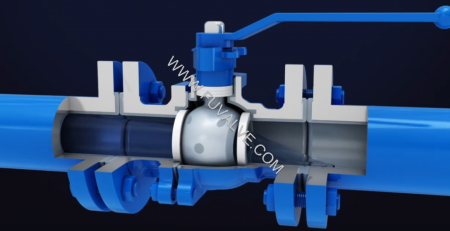
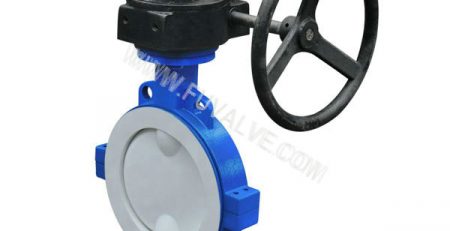
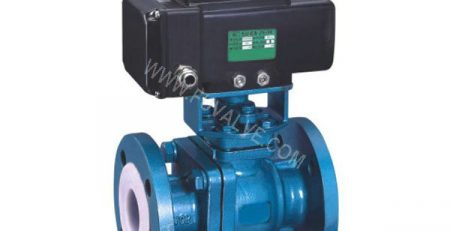
تطبيق صمام السيراميك, يعتمد نوع الاستنشاق ذو الضغط المنخفض ونوع التغذية بالضغط المنخفض بشكل عام على آلة الطرد المركزي ذات الضغط العالي أو منفاخ الجذور.
صمام تفريغ الرماد
لنظام الاستنشاق, in order to ensure the tightness of the unloading port, يتم ضبط صمام تفريغ الرماد في الفاصل;
لنظام تغذية الضغط, in order to make the separator unloading dust is not generated by the secondary dust, in the unloading port out of the set of ash unloading valve.
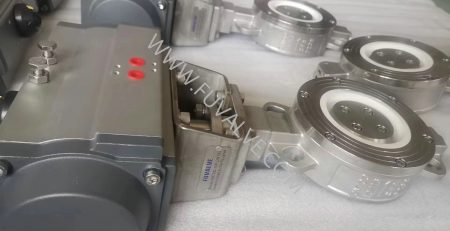
تطبيق صمام السيراميك
في كثير من الأحيان تحت الضغط لفتح وإغلاق, في كثير من الأحيان تحت الضغط لفتح وإغلاق, لتحمل التجريف السريع للغبار, ظروف العمل قاسية بشكل استثنائي, غالبًا ما يتم استخدام موضع الصمام للإغلاق في مكانه, مغلقة ليست ضيقة, لوحة صمام صمام صمام صمام التآكل بسرعة, استخدام الحياة القصيرة وقضايا أخرى.
لمثل هذه ظروف العمل لإزالة الغبار ونقل الرماد, مزايا الصمامات السيراميكية هي:
ختم محكم وموثوق, في حالة التآكل الطفيف على سطح الختم، لا يزال من الممكن إغلاقه بإحكام, لمنع المزيد من تفاقم التآكل;
تراكم الغبار في جسم الصمام له تأثير ضئيل على إغلاق الصمام;
مادة الختم صلبة بما فيه الكفاية ومقاومة للتآكل;
قدرة تدفق الصمام جيدة, وينبغي أن تكون كفاءة نقل الرماد عالية.
صورة
إزالة الكبريت من الملبد
في الصين, إزالة الكبريت من غاز المداخن (مجموعة التركيز) في صناعة الحديد والصلب أصبح محور التحكم في انبعاثات ثاني أكسيد الكبريت بعد إزالة الكبريت من غاز المداخن في وحدات توليد الطاقة الحرارية.
وفقًا لما إذا كان الماء يضاف إلى عملية إزالة الكبريت والشكل الجاف والرطب لمنتج إزالة الكبريت, يمكن تقسيمها إلى ثلاث فئات من عمليات إزالة الكبريت: مبتل, شبه جاف وجاف, والعمليات الرئيسية التي تم تطبيقها هي طريقة الحجر الجيري والجبس, طريقة كبريتات الأمونيا والأمونيوم, طريقة تعميم السرير المميعة, طريقة التجفيف بالرش الدوار, طريقة أكسيد المغنيسيوم, طريقة القلويات المزدوجة وأكثر من عشرة أنواع.
إزالة الكبريت من غاز المداخن الملبد
غاز المداخن الملبد هو غاز العادم المغبر الناتج أثناء عملية التلبيد ذات درجة الحرارة العالية بعد إشعال الخليط.
يختلف تركيز ثاني أكسيد الكبريت في غاز المداخن الناتج أثناء إنتاج آلة التلبيد بشكل كبير, وتركيز ثاني أكسيد الكبريت في غاز المداخن الرأسي والذيل منخفض ومرتفع في المنتصف. ستعمل أكاسيد الحديد الموجودة في المادة الملبدة كمحفز لتحفيز أكسدة جزء من ثاني أكسيد الكبريت إلى ثاني أكسيد الكبريت.
يتم نقل جزء من الكبريت العضوي الموجود في مسحوق الخام إلى الطور الغازي على شكل كبريت مونومر ويتأكسد, بسبب وجود عدم تجانس في درجات الحرارة في عملية التلبيد, يحتوي غاز المداخن أيضًا على H2S وCaS.
فضلا عن ذلك, سوف تولد الكلوريدات الموجودة في الخليط أيضًا كلوريدات متطايرة في غاز المداخن أثناء عملية التلبيد. تحدد خصائص غاز المداخن الملبد خصائص وصعوبات إزالة الكبريت من غاز المداخن الملبد, وليس من الممكن نسخ تقنية إزالة الكبريت الخاصة بمحطة الطاقة بشكل مباشر.
عملية إزالة الكبريت
إنتاج الحديد والصلب تأتي انبعاثات ثاني أكسيد الكبريت بشكل رئيسي من التلبيد, فحم الكوك وإنتاج الطاقة:
يتأكسد الكبريت الموجود في الخام الخام وفحم الوقود الناتج عن عملية التلبيد إلى ثاني أكسيد الكبريت, الذي يوجد في تلبد غاز المداخن;
الكبريت الموجود في فحم الكوك في عملية فحم الكوك يولد كبريتيد الهيدروجين, الموجود في غاز فرن فحم الكوك, الذي يولد ثاني أكسيد الكبريت بعد الاحتراق;
يؤدي الكبريت الموجود في إنتاج الطاقة إلى احتراق الفحم إلى توليد ثاني أكسيد الكبريت بشكل مباشر.
يمثل ثاني أكسيد الكبريت المنبعث من عملية التلبيد أكثر من 60% من إجمالي الانبعاثات الناجمة عن إنتاج الحديد والصلب, وهو المصدر الرئيسي لانبعاثات ثاني أكسيد الكبريت في عملية إنتاج الحديد والصلب.
صورة
طريقة الحجر الجيري والجبس
إنها تقنية إزالة الكبريت الرطبة الأكثر استخدامًا والأكثر نضجًا.
طريقة الحجر الجيري-الجبس هي طريقة تستخدم ملاطًا من الجير أو الحجر الجيري في برج الغسيل لامتصاص ثاني أكسيد الكبريت في غاز المداخن والجبس الناتج. منذ أن يتم إعادة تدوير الملاط الممتص, معدل استخدام ماصة إزالة الكبريت مرتفع.
يتضمن نظام إزالة الكبريت هذا بشكل أساسي: نظام تحضير ماص, نظام غاز المداخن, نظام امتصاص ثاني أكسيد الكبريت, نظام تجفيف وتخزين الجبس.
مبدأ العملية هو امتصاص S02 في غاز المداخن مع ملاط الجير أو الحجر الجيري, والتي تنقسم إلى مرحلتين: الامتصاص والأكسدة. الامتصاص الأول يولد CaS03, ومن ثم يتأكسد CaS03 إلى CaS04, أي. جبس.
التكنولوجيا ناضجة; النظام مستقر وموثوق; إنه تفاعل غاز سائل, مع سرعة رد الفعل السريعة; كفاءة عالية لإزالة الكبريت; انخفاض سعر وكيل إزالة الكبريت; والقدرة على التكيف على نطاق واسع.
طريقة كبريتات الأمونيا والأمونيا (طريقة الأمونيا)
تكنولوجيا إزالة الكبريت من الأمونيا هي عملية تستخدم الأمونيا (NH3) كمادة ماصة لإزالة S02 من غاز المداخن. بسبب ارتفاع سعر الأمونيا, طريقة الأمونيا هي بالضرورة طريقة استرداد.
يتضمن نظام إزالة الكبريت من الأمونيا بشكل أساسي: نظام تحضير وتخزين الأمونيا, نظام غاز المداخن, نظام امتصاص ثاني أكسيد الكبريت, نظام فصل وتخزين ونقل كبريت الأمونيوم.
مبدأ عملها هو أن السائل الممتص يدخل إلى المبادل الحراري للتبريد, ثم من خلال المضخة الدائرية من قسم الامتصاص بالبرج إلى برج إزالة الكبريت, يدخل غاز المداخن إلى برج إزالة الكبريت من الجزء السفلي, ويتم رش تفاعل الأمونيا السائلة مع سائل الامتصاص, ثم من خلال مزيل الضباب لإزالة الضباب إلى المدخنة بعد العادم. يتم إعادة تدوير السائل الممتص إلى تركيز معين, وبعد الأكسدة القسرية, يتم إنتاج كبريتات الأمونيوم كمنتج ثانوي لإزالة الكبريت.
إنها تتمتع بمزايا كفاءة إزالة الكبريت العالية والاحتمالية الجيدة لاستخدام المنتجات الثانوية.
تعميم طريقة السرير المميعة (CFB-FGD)
تعميم إزالة الكبريت من غاز المداخن بالطبقة المميعة (CFB-FGD) عموما يعتمد مسحوق الجير الجاف (تساو) أو مسحوق الجير (كاليفورنيا(أوه)2) كما الممتص, ويضاف مسحوق الجير إلى غاز المداخن بنسبة معينة, بحيث يكون مسحوق الجير في الحالة المميعة في غاز المداخن, ويتفاعل مع ثاني أكسيد الكبريت لتكوين كبريتات الكالسيوم.
يتكون نظام CFB-FGD النموذجي لإزالة الكبريت من غاز المداخن الملبد من نظام إمداد ماص, برج إزالة الكبريت, إعادة تدوير المواد, نظام معالجة المياه, جهاز تجميع الغبار بعد إزالة الكبريت ونظام التحكم في الأجهزة.
طريقة التجفيف بالرش (SDA)
تقنية إزالة الكبريت من غاز المداخن بالتجفيف بالرش هي غاز المداخن الملبد بعد الغبار المسبق في برج إزالة الكبريت, غاز المداخن وقطرات ملاط الجير المتناثرة في برج إزالة الكبريت للاتصال الكامل بالتفاعل, يتم تجفيف منتج التفاعل, في برج إزالة الكبريت يتم إكمال التفاعل الكيميائي بشكل أساسي, لتحقيق الغرض من امتصاص ثاني أكسيد الكبريت.
عن طريق امتصاص ثاني أكسيد الكبريت وتجفيف مسحوق غاز المداخن الذي يحتوي على مسحوق في مرشح كيس التقدم لبرج إزالة الكبريت لفصل الغاز عن المواد الصلبة, لتحقيق جمع رماد إزالة الكبريت وتصدير تركيز الغبار لتلبية معايير الانبعاثات. تتم إضافة الكربون المنشط إلى مدخنة مدخل مجمع الغبار لإزالة المواد الضارة الأخرى بشكل أكبر, ويتم تفريغ غاز المداخن المعالج بواسطة مجمع الغبار في الغلاف الجوي بواسطة المدخنة.
يمكن لنظام SDA أيضًا استخدام جزء من منتجات إزالة الكبريت لإعادة تدوير الملاط لتحسين معدل استخدام جهاز إزالة الكبريت.
طريقة أكسيد المغنيسيوم
طريقة إزالة الكبريت من أكسيد المغنيسيوم هي أكسيد المغنيسيوم من خلال نظام تحضير الملاط المصنوع من سائل هيدروكسيد المغنيسيوم المفرط, في برج امتصاص إزالة الكبريت وتلبيد غاز المداخن الاتصال الكامل, وتلبيد غاز المداخن في تفاعل ثاني أكسيد الكبريت لتوليد كبريتيت المغنيسيوم, يمكن نزع الماء من ملاط كبريتيت المغنسيوم الذي يتم تفريغه من برج الامتصاص وإعادة معالجته لإنتاج حمض الكبريتيك.
يتضمن النظام بشكل رئيسي 3 أجزاء: إعداد الحل والتسليم, تبريد غاز المداخن, إزالة الكبريت ومعالجة المياه السائلة.
طريقة ثنائية القلوية
عملية إزالة الكبريت القلوي المزدوج هي عبارة عن غاز مداخن آلة التلبيد الذي يتم تنقيته بواسطة مجمع الغبار, يتم إدخاله إلى برج إزالة الكبريت بواسطة مروحة السحب المستحثة, غاز المداخن الذي يحتوي على ثاني أكسيد الكبريت بشكل عرضي في البرج, ودوامة للأعلى تحت التأثير التوجيهي للوحة الإعصار; غاز المداخن في الإعصار وسائل إزالة الكبريت، اتصال الحمل الحراري المعاكس للتيار مع سائل إزالة الكبريت على لوحة الإعصار، انحلال سائل إزالة الكبريت على لوحة الإعصار, تشكيل منطقة امتصاص ذرية جيدة, غاز المداخن وعامل إزالة الكبريت القلوي السائل في منطقة الانحلال في التلامس والتفاعل الكامل لإكمال عملية إزالة الكبريت من غاز المداخن وعامل إزالة الكبريت القلوي في سائل إزالة الكبريت يتلامسان بشكل كامل ويتفاعلان في المنطقة المذرية لإكمال عملية إزالة الكبريت والامتصاص.
بعد إزالة الكبريت, يمر غاز المداخن عبر لوحة إزالة الضباب الموجودة في الجزء العلوي من البرج, استخدام التأثير الدوار لغاز المداخن نفسه والتأثير التوجيهي للوحة إزالة الضباب الإعصاري لإنتاج قوة طرد مركزية قوية, يتم إلقاء القطرات السائلة الموجودة في غاز المداخن على جدار البرج, وذلك لتحقيق إزالة الضباب بكفاءة عالية, كفاءة إزالة الضباب تصل إلى 99% أو أكثر, المواد الماصة القلوية شائعة الاستخدام هي رماد الصودا.
المواد الماصة القلوية شائعة الاستخدام هي رماد الصودا (Na2CO3), الصودا الكاوية (هيدروكسيد الصوديوم) وهلم جرا. هيدروكسيد الصوديوم: امتصاص, التجديد وفصل الصلبة والسائلة.
امتصاص, نظام تحضير مزيل الكبريت, نظام معالجة المنتجات الثانوية لإزالة الكبريت, الصودا الكاوية.
ليس الطريقة
تستخدم تقنية NID الجير (تساو) أو الجير المطفأ (كاليفورنيا(أوه)2) أو الجير المطفأ.
التجديد وفصل الصلبة والسائلة, where physical changes and chemical reactions are rapidly completed, ويتفاعل ثاني أكسيد الكبريت الموجود في غاز المداخن مع عامل إزالة الكبريت لتكوين CaSO3 وCaSO4.
بعد رد الفعل, يحمل غاز المداخن عددًا كبيرًا من الجزيئات الصلبة المجففة إلى مجمع الغبار, وفصلها عن غاز المداخن, من خلال نظام إعادة تدوير الرماد, تكملة عامل إزالة الكبريت, ترطيبه وخلطه مرة أخرى, وإرسالها إلى المفاعل.
هذه الدورة لمرات عديدة, لتحقيق الغرض من إزالة الكبريت بكفاءة وتحسين معدل استخدام المادة الماصة. بعد إزالة الكبريت وإزالة الغبار, غاز المداخن النظيف أعلى من 20 درجة مئوية في درجة حرارة نقطة الندى لبخار الماء, بدون تدفئة, ويتم تفريغها في المدخنة من خلال المروحة المضغوطة.
صمام السيراميك يستخدم للتطبيقات
تفريغ غاز المداخن
بسبب تعقيد المكونات المسببة للتآكل في وسط غاز المداخن, يمكن العثور عليها داخل سطح الختم الملامس لغاز المداخن وهو أمر خطير, من السهل صنع مقياس غبار الصمام من غاز المداخن المغبر, سماكة مقياس الغبار سوف تعيق حركة الصمام, إن عملية إزالة مقياس الغبار هذه غير مريحة للغاية, تستغرق وقتا طويلا وشاقة;
إذا حدث بخار الماء في الغاز تكثيف, سيتم تعزيز تآكل الغاز الذي تم حله بشكل كبير. وخاصة في دور حمض الهيدروكلوريك, إلخ., فمن الأسهل إحداث التآكل الحبيبي للفولاذ المقاوم للصدأ الأوستنيتي, تسريع فشل التآكل في نظام الأنابيب. خط الأنابيب في حالة حدوث ترابط غبار المحفز, الترابط تشكيل كتلة المسامية كبيرة, سيتم امتصاصه في تحليل المكونات المسببة للتآكل في الغاز, مما يؤدي إلى الترابط على سطح مكونات خط الأنابيب وسط تآكل لتعزيز تسارع الترابط عند تآكل السطح المعدني. فضلا عن ذلك, التعايش بين ثاني أكسيد الكبريت, يزيد SO3 وNH3 أيضًا من خطر ربط غبار المحفز وتعزيز تآكل المعادن.
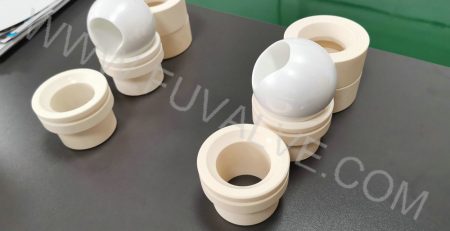
من الصعب أن تلبي المواد العادية المقاومة للتآكل احتياجات مقاومة التآكل في نفس الوقت, يمكنك التفكير في المواد الخزفية التي يمكنها تحمل التآكل, التآكل والأكسدة ذات درجة الحرارة العالية في نفس الوقت. يمكن أن يتجنب بشكل فعال مشكلة سوء إغلاق الصمام بسبب التآكل والتآكل, ويطيل عمر خدمة الصمام بشكل كبير.
الجير / نقل الطين الجبس
يرجع تآكل الملاط بشكل أساسي إلى تأثير وتلف الجزيئات الصلبة (وخاصة السيليكات) في الملاط على المواد المتآكلة. تتكون وسائط إزالة الكبريت من غاز المداخن بشكل رئيسي من الحجر الجيري (كربونات الكالسيوم 3) جزيئات (تحتوي على كمية صغيرة من SiO2) أو الجبس (CaSO4-2H2O) الجسيمات والماء. بمعدلات تدفق أعلى, يمكن أن تسبب هذه الجسيمات تآكلًا شديدًا أو تآكلًا في الجدار الداخلي للأنبوب.
في نفس الوقت, الملاط حمضي ضعيف, ويخلط أيضاً مع بعض أيونات الكلوريد, إلخ., سيكون لهذه المواد تفاعل كيميائي مع جدار الأنبوب المعدني وتتسبب في تآكل الأنبوب الفولاذي, حتى الفاسدة من خلال, مما يؤثر على عمر خدمة جهاز إزالة الكبريت.
Cl- أسهل من امتصاص الأكسجين على سطح المعدن, والأكسجين مزدحم, بحيث يتم تدمير تخميل الحالة المعدنية جزئياً وحدوث تآكل المسام, من الصعب أيضًا تجنب بعض مواد الفولاذ المقاوم للصدأ. تآكل الملاط للأنابيب المعدنية على شكل: تأليب, تآكل الشق, تآكل الإجهاد, تآكل التعب, التآكل الجلفاني وما إلى ذلك.
فضلا عن ذلك, أنبوب الملاط للتدفق على مرحلتين. يتميز التدفق ثنائي الطور بأنه يجب التحكم في معدل التدفق ضمن النطاق المناسب. معدل التدفق العالي عرضة للتآكل ويزيد بشكل كبير من مقاومة خط الأنابيب, في حين أن معدل التدفق منخفض سوف ينتج الودائع, تضييق سطح الدورة الدموية لخط الأنابيب, حتى يتم حظره.


-400x231.jpg)